
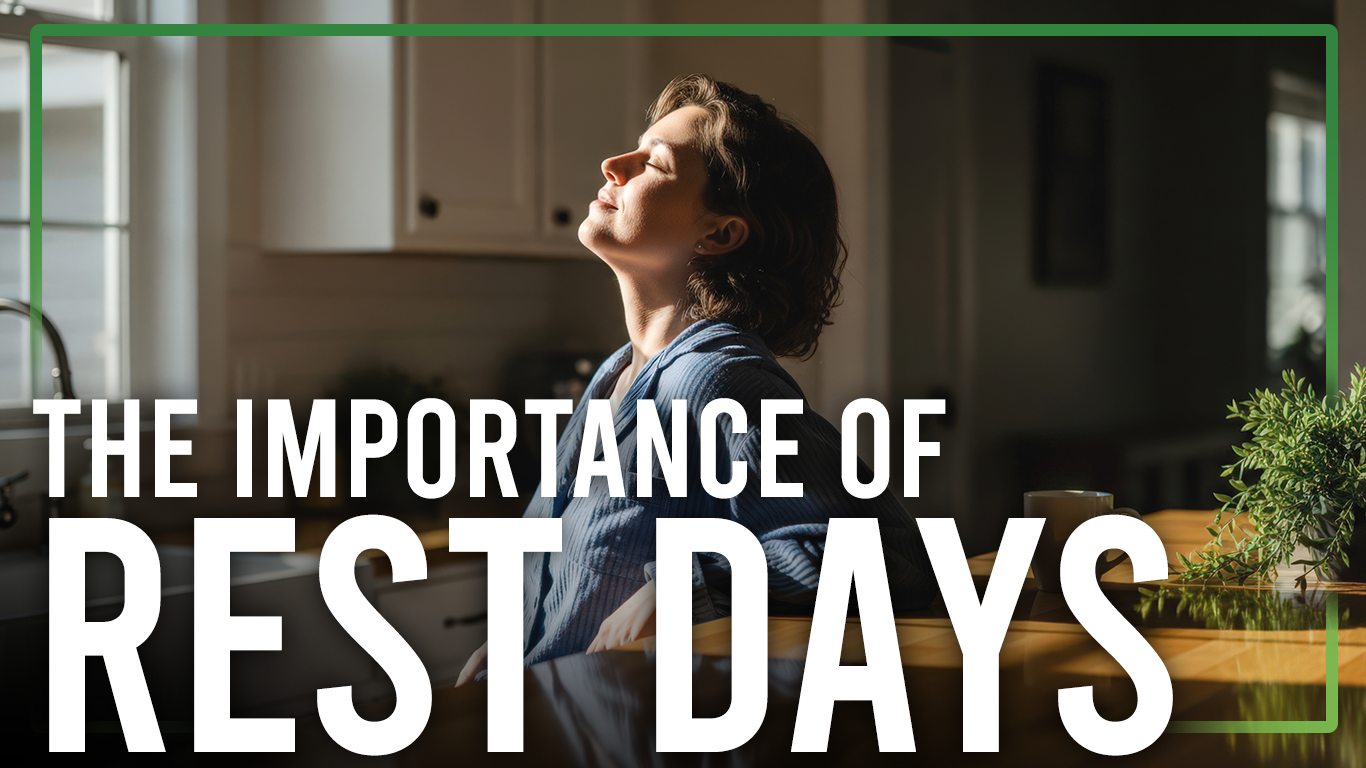

The Importance of Rest Days
By Coach Max
One of the most overlooked components of a proper training program is incorporating scheduled rest days. In order to truly get the most out of your workouts and make progress towards achieving your fitness goals it is imperative to take time away from the gym and to allow your body to rest. There are several key reasons why it’s not only a good idea to take a day or two off per week, but essential to see long term progress and growth.
From an anatomical standpoint, resistance training, the act of physically moving weight and challenging and pushing your limits is damaging and stressful to the body. Resistance training causes microtears in your muscle fibers and it is only rest that allows the body to repair and heal from this damage. Your muscle fibers will recover and adapt and grow stronger leading to strength gains and muscle hypertrophy. If you cut the rest short (i.e. working out too many days in a row) these muscles cannot fully recover and it can lead to plateauing and possibly even regression. If you ignore your body’s need to rest and recover long enough it can lead to overtraining, which is characterized by decreased performance, fatigue, and increased risk of injury from overuse.
Along with the physical need to take breaks in training, there is also the mental aspect of it as well. The brain also needs a break from exercise to prevent mental burnout. Not only will this help with long term adherence to your training program, but it will also help to maintain motivation levels. Resetting the mind is important to keep your concentration where it needs to be during your lifts as well as going into your workout with enthusiasm and positivity.
Giving your body time to rest is also incredibly important for maintaining hormonal balance and giving the nervous and immune systems time to recover. Cortisol (a stress hormone) levels spike after intense workout sessions and your body needs time to deregulate these levels to recover. Allowing your body to spend too much time with high cortisol levels can hinder muscle growth, cause immunal suppression, and even lead to weight gain.
So now you know about why it is important to give your body and mind some time off from strenuous activities, but now you might ask how do you know when you need a rest day? And what should you be doing on your days off from the gym? Typical signs you need a rest day include:
- Persistent muscle soreness
- Reduced performance
- Lack of progress
- General fatigue/feeling tired
- Irritability/Moody
- Difficulty sleeping (which leads to even worse recovery)
Now, just because you aren’t coming into the gym doesn’t necessarily mean that you do nothing on your rest days either! For those that like to still move and do something even when they’re not at the gym, there are some active recovery activities you can partake in to help aid in recovery. Low intensity activities such as light cardio (low intensity steady state), yoga, and stretching will all aid in your recovery by helping to increase blood flow and help muscle fibers to recuperate. Getting a proper amount of sleep is critical in the recovery process so be sure to get to bed early to make the most of it. And a well balanced diet is the key to everything so be sure to consume adequate amounts of protein, carbs, and healthy fats to promote muscle repair and replenish your energy stores. Staying hydrated by drinking enough water (and potentially electrolytes when necessary) will also greatly aid your body in recovering from the stress of your workouts.
In conclusion, allowing your body adequate time to rest between strenuous training sessions at the gym will lead to overall enhanced performance, recovery, and health. Listen to your body and adjust your training and recovery schedule as needed. If you’re feeling overly tired and notice a drop in performance, don’t be afraid to program an extra rest day or work towards incorporating more active recovery days into your program. This will ensure you’re getting the most out of the effort you put in each week while training and help you better progress towards your goals. Sometimes, less is more!



0 Comments